
Geriatric Care: Comprehensive Support for Our Elderly
Introduction to Geriatric Care
As the global population ages, the need for specialized care for the elderly becomes increasingly significant. Geriatric care, also known as elder care, addresses the unique health and well-being needs of older adults over 60. This field encompasses various services, from medical and physical therapy to emotional support and social engagement. In India, where traditional family structures are evolving and life expectancy is rising, understanding and implementing effective geriatric care is more important than ever.
Common Challenges
Caring for the elderly presents numerous physical, emotional, and social challenges. Physically, older adults often face chronic conditions such as arthritis, diabetes, and cardiovascular diseases. These ailments require ongoing medical attention and can significantly impair mobility and independence.
Emotionally, the elderly may struggle with feelings of loneliness, depression, and anxiety. The transition from an active lifestyle to one marked by retirement and reduced social interaction can be difficult. Additionally, in some cases, cognitive decline, including dementia and Alzheimer’s disease, poses significant challenges, affecting memory, reasoning, and communication.
Socially, the breakdown of extended family systems in India has led to increased isolation for many elderly individuals. Urbanization and migration of younger family members for work have left many seniors without the traditional support structures they once relied upon. This shift necessitates new community-based resources and support systems to ensure the well-being of the elderly.
Navigating Emotions
The emotional landscape of aging is complex, and addressing these emotions is a critical component of geriatric care. Older adults often experience a range of emotions, including grief over the loss of loved ones, fear of declining health, and frustration from decreased independence. Understanding and empathizing with these feelings is essential for caregivers and healthcare professionals.
One effective approach is to foster open communication, allowing the elderly to express their fears and concerns without judgment. Regular psychological counseling and support groups can provide a safe space for seniors to share their experiences and find solace in the company of others facing similar challenges. Additionally, involving family members in discussions about caregivers can help bridge emotional gaps and reinforce a support network around the elderly individual.
Signs and Symptoms to Look Out For Identifying early signs and symptoms of common geriatric issues can significantly improve the quality of care and outcomes for older adults. Some key indicators to monitor include:
Physical Health: Unexplained weight loss, frequent falls, chronic pain, and changes in appetite or sleep patterns may signal underlying health problems that need medical attention.
Cognitive Decline: Memory lapses, confusion, difficulty concentrating, and changes in personality or behavior can indicate conditions such as Dementia or Alzheimer’s.
Emotional Well-being: Signs of depression, such as prolonged sadness, withdrawal from social activities, and a lack of interest in hobbies, should be addressed promptly to prevent further deterioration.
Mobility and Independence: Noticeable changes in mobility, such as difficulty walking, climbing stairs, or performing daily tasks, may require interventions like physical therapy or assistive devices.
Social Engagement: Decreased social interactions and community involvement can lead to isolation and loneliness, impacting mental and physical health.
Early detection and intervention are crucial in managing these issues effectively. Regular physical and psychological check-ups can help identify problems early and provide timely support and treatment.
Promoting Well-being : Promoting the overall well-being of the elderly goes beyond addressing their physical health. It involves creating an environment that supports mental, emotional, and social health. Here are some strategies to enhance the well-being of older adults:
Healthy Lifestyle: Encouraging a balanced diet, regular exercise, and adequate sleep can significantly improve physical health and energy levels.
Mental Stimulation: Activities such as reading, puzzles, and learning new skills can keep the mind sharp and engaged.
Social Connection: Maintaining strong social ties through family visits, community events, and social groups can combat loneliness and depression.
Emotional Support: Regular check-ins from family, friends, and professionals can provide emotional reassurance and a sense of security.
Spirituality and Purpose: Engaging in spiritual practices or finding new hobbies and interests can provide a sense of purpose and fulfilment.
Accessible Healthcare: Ensuring easy access to medical care, medications, and regular health check-ups is essential for early detection and management of health issues.
Safe Living Environment: Modifying the home to prevent falls, ensuring good lighting, and having emergency contact systems can enhance safety and independence.
Symptom Management:
While traditional family-based care remains prevalent in India, various alternative options for geriatric care are emerging to meet the diverse needs of the elderly population. These options include:
Medical interventions: Medical professionals such as Psychiatrists, Neurologists, Occupational Therapists, and Counselors can help manage symptoms and provide medication.
Home Care Services: Professional caregivers can provide medical and non-medical assistance in the comfort of the senior’s home. This includes help with daily activities, medication management, and companionship.
Day Care Centers: These centers offer a safe environment for seniors during the day, providing social interaction, activities, and meals while giving family caregivers a respite.
Assisted Living Facilities: These facilities offer a blend of independence and support, with private living spaces and access to medical and personal care services.
Nursing Homes: For those requiring intensive medical care and supervision, nursing homes provide round-the-clock care from healthcare professionals.
Palliative and Hospice Care: These services provide comfort and support to those with serious, life-limiting illnesses, emphasizing quality of life rather than curative treatment.
Each of these options can be tailored to the specific needs and preferences of the elderly individual, ensuring they receive the appropriate level of care and support.
Caring for the elderly, while fulfilling, can also be physically and emotionally demanding, leading to caregiver burnout. Burnout manifests as chronic stress, fatigue, and emotional exhaustion, which can diminish the quality of care provided and negatively impact the caregiver’s health. To prevent burnout, caregivers must prioritize their own well-being. This includes taking regular breaks, seeking support from family or professional services, and engaging in self-care activities like exercise, hobbies, and social interactions. Mindfulness practices like meditation and yoga can also help manage stress. Support groups for caregivers offer a platform to share experiences and gain encouragement, fostering a sense of community and resilience. By maintaining their health and well-being, caregivers can provide sustained, compassionate care to the elderly.
Conclusion
Geriatric care is a multifaceted and evolving field that requires a holistic approach to address the diverse needs of the elderly. In India, the shift in family dynamics and the growing elderly population highlight the importance of comprehensive care strategies encompassing physical, emotional, and social well-being. By understanding the common challenges, recognizing early signs of health issues, exploring alternative care options, and promoting overall well-being, we can create a supportive environment that allows our elderly to age with dignity and grace. As we continue to advance in this field, it is crucial to foster empathy, respect, and compassion in our approach to caring for the older members of our society.
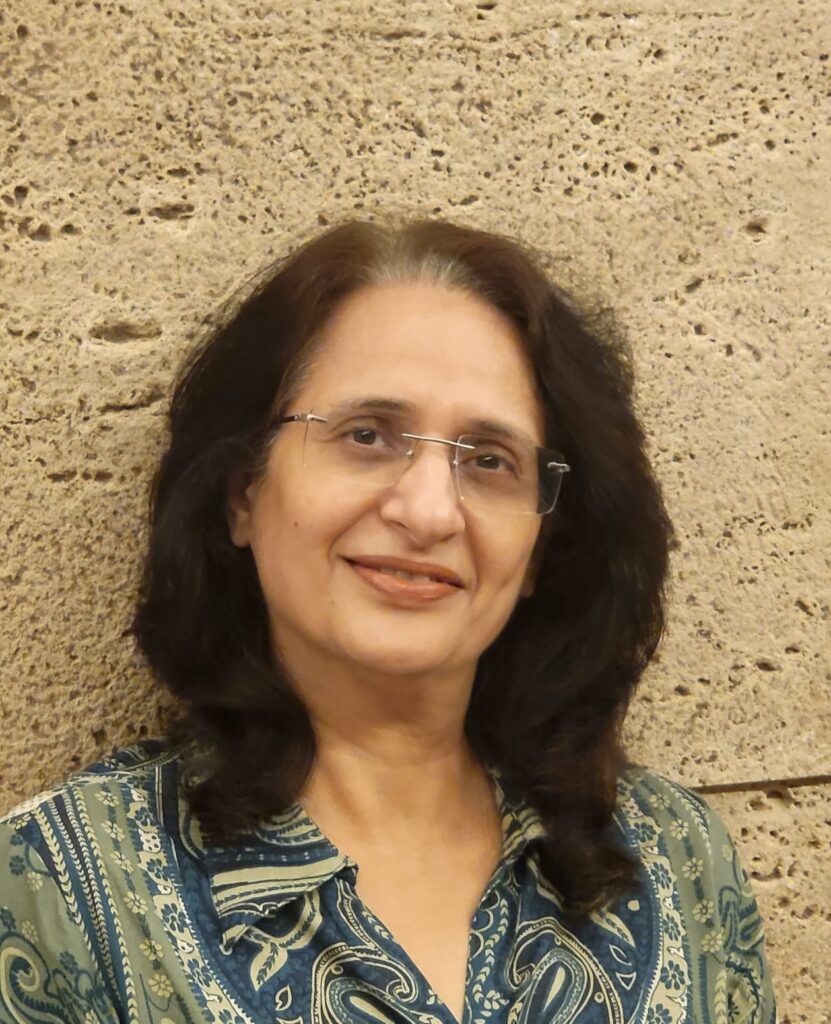
Dr. Anita Sukhwani, Consulting Psychiatrist.
Mann Healthy Mind Centre www.manncentre.com
About the Author