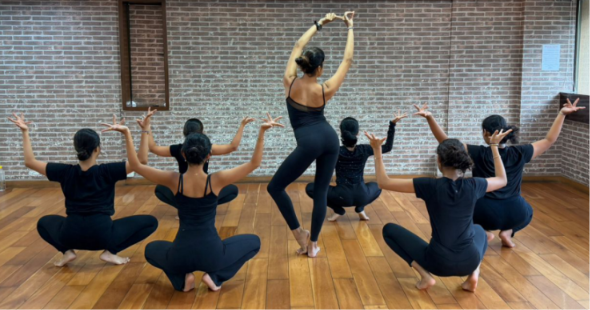


When smoke is in the air, everyone breathes the smoke. Lungs are at risk for those who don’t exercise, don’t breathe and stimulate their lungs, don’t charge and condition their hearts, those who don’t stretch, don’t circulate, don’t eat well and build their immunity, don’t sleep well and build their vitality for repair, restore and rejuvenation.
Improvement in lungs needs a challenge to the body. A slightly regulated challenge gradually calibrated upwards across sixteen to twenty-six weeks, improves lung function.
Your heart and lungs have to work harder when you’re exercising to provide the extra oxygen your muscles need. Regular exercise strengthens your heart and lungs in the same way that it does your muscles. Your body becomes more adept at delivering oxygen to the working muscles and delivering it to the bloodstream as your level of physical fitness increases. Over time, this is one of the reasons you are less likely to feel shortness of breath while exercising.
The diaphragm and the muscles between the ribs, which cooperate to power inhalation and exhalation, are two other muscles that can be strengthened by certain forms of exercise.
Engaging in both aerobic exercises and muscle-strengthening workouts can enhance the health of your lungs. It starts with gentle aerobic exercises such as walking, spot jogging,
Jumping Jacks: Jumping jacks, which involve softly bouncing over the ground and gently landing back down, are an excellent cardiovascular workout to strengthen your heart. To keep your body moving, your muscles, heart, and lungs must work harder.
Cycling can help lower the risk of heart and respiratory disorders and improve cardiovascular health, which promotes overall respiratory function.
Exercise like swimming in an indoor pool has an impact on lung volume measurements because swimmers’ diaphragm and other respiratory muscles must expand to a greater pressure during the respiratory cycle. This can improve the function of these muscles and change the elasticity of the lung, chest wall, or ventilatory muscles. Compared to runners, swimmers have better forced vital capacity and other lung functions.
Climbing up the stairs helps in making the respiratory system more efficient at processing oxygen.
Adding up to twisting, bending, forward – backward sideways, doing soft lunges with low intensity, all these activities with gradual breathing provide your heart and lungs with the necessary workout to operate effectively.
Muscle-strengthening exercises, including sub-maximal weight lifting or Pilates, help build core strength, enhance your posture, increase muscular strength, endurance and motor fitness and tone the muscles involved in breathing.
Progressive breathing in and breathing out without aggression. Inhale and exhale through nose and when extremely exhausted, inhale through nose and exhale through mouth with proper recoveries in between whenever one is panting.
One can do recreational Indoor Sports activities like squash, racquetball. In the winter, these activities can be a great substitute for outdoor sports & are also very beneficial to lung health.
Yoga is best in strengthening and flexing heart and lung muscles. So, chest opening asanas like Setu Bandhasana, Bhujangasana, Ustrasana, upward stretching Tadasna are very good.
Breath is so powerful that it can help you get rid of physiological and psychological toxins from the body and mind. Pranayama (breathing exercises) like Kapalbhati and Anulom Vilom can increase lung capacity and oxygen intake. Practicing for only 5-10 minutes a day will give a burst of energy and freshness.
Study results revealed directional and significant improvements in forced vital capacity, forced expiratory volume, improved health, improves lung function, and reduces inflammation among people living in polluted surroundings.
I would also recommend Double breathing. Double breathing oxygenates the blood and energizes the body. It draws the cosmic energy into the body through the medulla oblongata. Medulla is the point where the skull joints the spinal column. It is known as the mouth of God and it’s considered as the portal through which energy enters the body. Do it for a couple of minutes.
Method: Stand comfortably with feet apart. Begin with inhaling through the nose with a short sharp inhalation followed by a long strong inhalation. Exhale twice through the mouth with a short then long exhalation. While breathing in, stand tall with your spine erect and while exhaling squat a little.
Exercise with the right diet plays a vital role, maintaining an active lifestyle and supporting lung health are investments in your general health that will enable you to enjoy life to the fullest.
About the Author