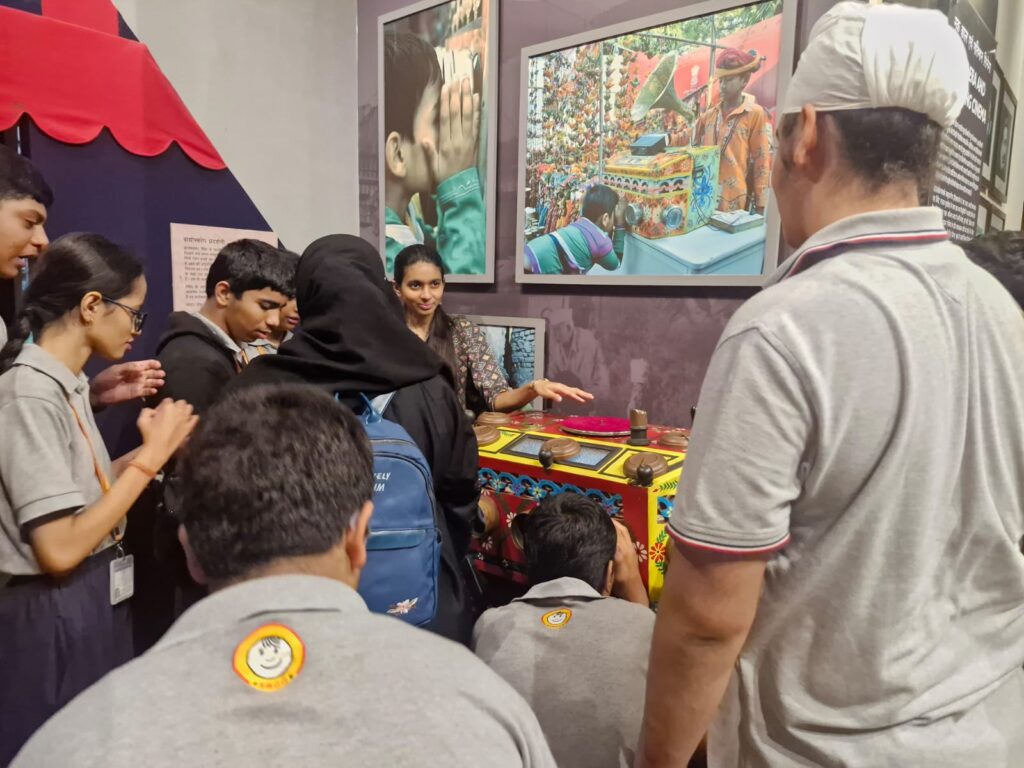
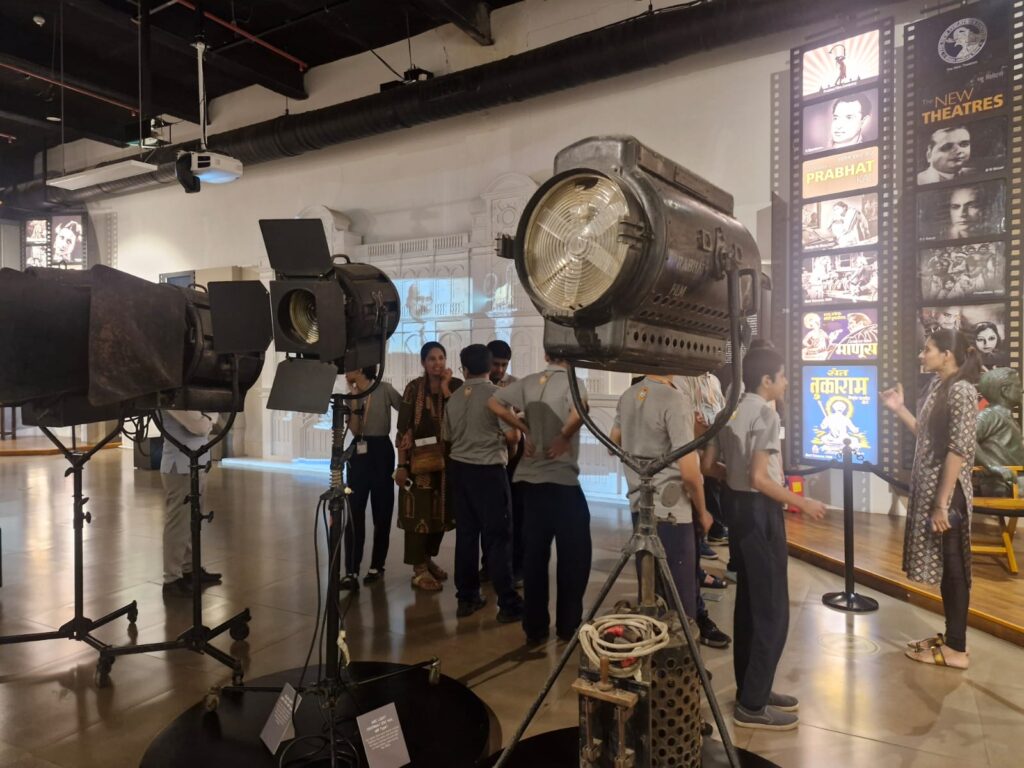
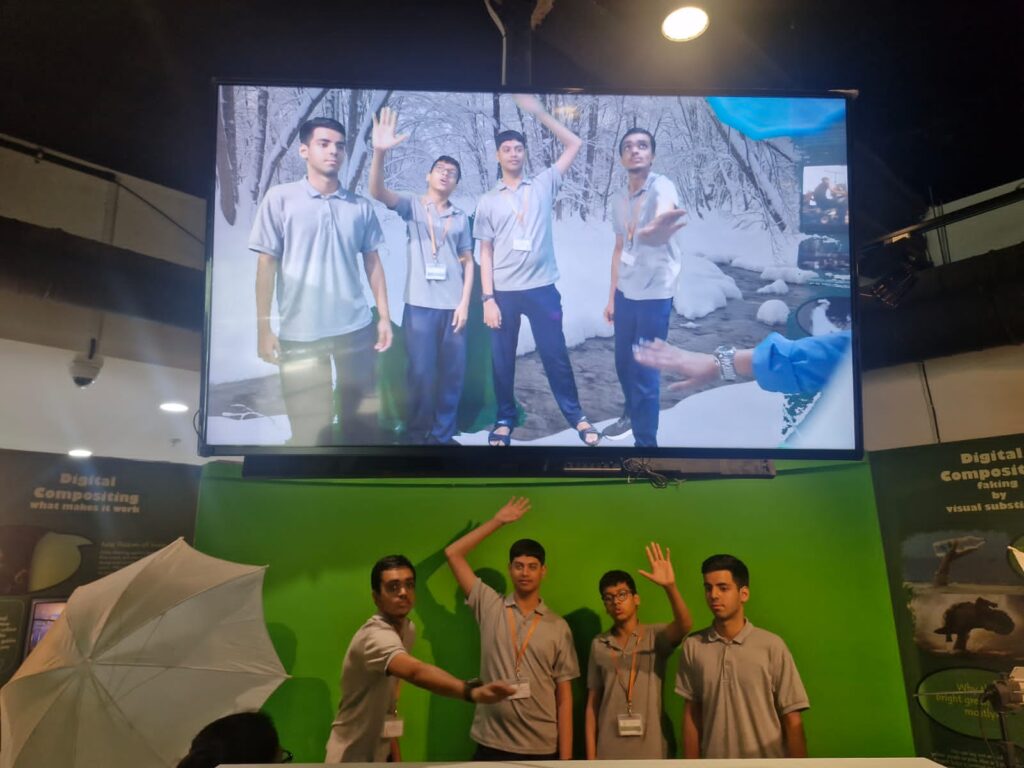
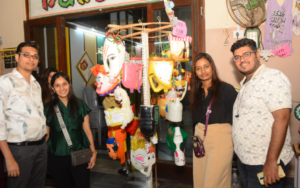
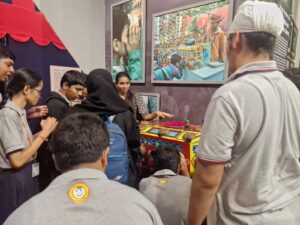
Citi Academy for Skills and Education (CASE) at Haji Ali is a full-fledged department of SRCC Trust set up for children with differential learning needs – children with Dyslexia, Dysgraphia, mild autism, attention deficits, children prone to epileptic fits and slow learners. Our children appear for Pratham, NIOS and SSC board exams to complete their basic education. (Std 10th and 12th) CASE started Training and Skills at CASE (TASC) to develop pre-skills in certain vocations such as retail management, cooking, baking, gardening, pottery and yoga for children between the age of 14 years and 17 years to increase chances of employability of children with differential learning needs. CASE intends to expose their children to different and varied experiences as a part of the learning process as we believe that experiential learning is the best form of learning. As part of the history syllabus of Std 10th, children trace the developments in history of Indian arts, mass media and entertainment from the pre-historic days to current times. CASE had shared this with the National Museum for Indian Cinema (NMIC) and our host for the day Ms Nisha from NMIC curated the entire visit to NMIC on Wednesday, 10th December keeping these aspects in view. The children of Std 9 and Std 10 first visited the galleries of Gulshan Mahal, a 200- year-old bungalow on Pedder Road. Gulshan Mahal houses replicas of the Bhimbetka cave paintings in Madhya Pradesh, the earliest pre-historic site in India, the seals of the Indus Valley Civilization, different types of paintings adorning the entire canvas of India to how the film industry blossomed in India from the silent era to the talkies, black and white cinema to coloured cinema. The four-storied glass building traces the history of how in the earliest years of development of Indian cinema, movies travelled to the masses until theatres were built in which the masses thronged to watch movies. It also showcases how technology in film-making has evolved over one and half century. In one of the halls of the glass building, the children experimented with VFX, the green screen, tried their hand at editing, provided sound to their favourite actors, changed their appearance on-screen through make-up and use of props. The entire visit turned out to be a memorable one for the children due to Ms Nisha, the guide deputed to take us around the museum. There was not a single dull moment where the children were distracted or in a hurry to leave the place. Mr. Satyajit, deputy director of NMIC, suggested that this visit could be turned into a more meaningful association with SRCC by holding workshops for parents, therapists and children on different aspects of film-making thereby opening up more vistas in this business for children with differential learning needs. (Parizad Mogrelia)