

Early Childhood Mental Health Awareness: The Invisible Foundation of a Child’s Future
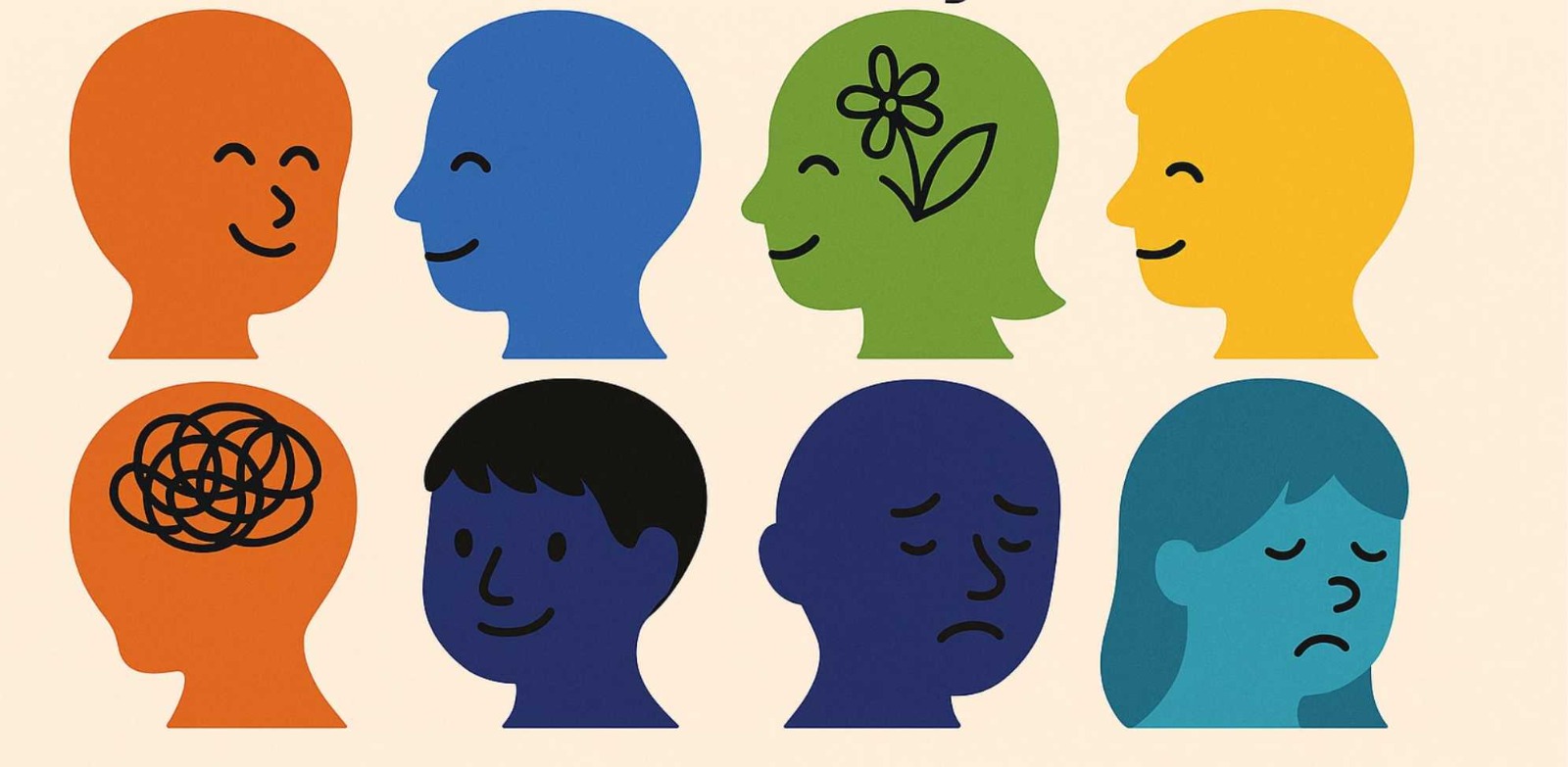
A two-year-old clings to her mother’s leg, refusing to play with the others. Another little boy bursts into tears at every small frustration. “They’re just being kids,” we often say. But what if, sometimes, it’s more than that? In the rush of feeding schedules and preschool admissions, we often overlook something equally vital – a child’s mental health. Just as bones and muscles grow, so do the brain circuits that control emotions and condence. These first five years form the foundation for how a person learns, feels, and connects with the world. Early childhood mental health isn’t about illness. It’s about helping children express emotions, form relationships, and build resilience. The earlier we pay attention, the better we can help them grow not just healthy — but whole. Understanding Early Childhood Mental Health When we hear “mental health,” we often picture adults dealing with stress or anxiety. But mental health begins far earlier — in infancy.
From birth, children learn safety and love through relationships. A caregiver’s tone, touch, and consistency teach them whether the world is a secure place. These repeated interactions shape the developing brain.
Early childhood mental health refers to a child’s ability to form bonds, manage emotions, and explore with curiosity. It’s what helps a toddler recover from a fall, make friends, or try again after failing to stack blocks.. Many assume young children will “grow out of” emotional struggles. But like physical growth, emotional development also needs nurturing. When a child faces chronic stress or inconsistent care, it can affect how their brain learns to handle feelings later in life. Early experiences truly shape emotional health — and the earlier we notice, the greater the difference we can make. The Silent Signs: Listening Beyond Behavior Children rarely say, “I’m sad” or “I’m anxious.” Their emotions speak through behavior — in how they play, react, and relate. While tantrums or clinginess are normal, persistent patterns can hint at deeper distress.
Some early warning signs include:- Frequent sadness or withdrawal- Aggression or intense irritability- Sleep or appetite changes- Difficulty bonding or trusting adults- Regression — like baby talk or bedwetting
Take Meera (name changed), a cheerful four year-old who suddenly refused to go to preschool. Her parents thought it was just a phase, but her teacher noticed she sat alone and silent. A child psychologist later found Meera was struggling to adjust after a family move.
Gentle play therapy and emotional coaching helped her regain confidence. Recognizing such signs early isn’t labeling — it’s listening. It’s giving children the language and support they need before distress turns into deeper struggle.
Why Early Support Matters The brain grows faster in the first five years than at any other time. Positive experiences strengthen pathways for trust and learning; chronic stress can weaken them.
Early support doesn’t always mean therapy. Sometimes, it’s simply helping parents under stand their child’s cues, create routines, or offer consistent comfort. The goal is not to fix but to equip helping both child and caregiver manage emotions together.
Children who receive emotional support early show greater resilience, stronger social skills, and better academic outcomes. In short, nurturing emotional health early helps build confident, capable adults.
Building a Supportive Environment A child’s world is built around their caregivers — parents, teachers, grandparents. The little things they do every day shape mental health in big ways. Here’s how adults can nurture emotional wellbeing:- Keep routines predictable. Regular sleep, meals, and playtime help children feel safe.- Validate feelings. Instead of “Stop crying,” try “I can see you’re upset.”- Play together. Play is a child’s natural language
— it builds connection and condence.- Model calm behavior. Children mirror how adults handle stress.- Limit screen time. Encourage outdoor or social play to develop real-world coping skills. Schools also play a key role. Teachers who recognize emotional patterns — like withdrawal or aggression — can partner with parents early. Classrooms that promote kindness, mindfulness, and storytelling teach emotional literacy as naturally as ABCs. When to Seek Help Sometimes, despite our best efforts, children need professional support — and that’s perfectly okay. If emotional or behavioral changes last for weeks or interfere with sleep, eating, or socializing, it may be time to consult a pediatri cian or child psychologist. Early assessments are gentle and play-based. Initial therapy often involves helping parents and children connect better. The focus is on under standing, not “fixing.”
Seeking help early doesn’t mean something is wrong — it means you care enough to get it right.
Raising Emotionally Healthy Generations Mental health is not a destination — it’s a journey
that begins in childhood. The way we talk, listen, and respond to children becomes the inner voice
they carry into adulthood. By nurturing emotional wellbeing early, we aren’t just preventing problems; we’re cultivating resilience, empathy & confidence.
Every hug, every moment of patient listening, every bedtime story — they all matter. Because
before a child learns to read or write, they learn to feel. And when those feelings are met with love &
understanding, they build the strongest foundation of all: a healthy, thriving mind.
Article by Dr. Anita Sukhwani, Consulting Psychiatrist, Mann Healthy Mind Centre, www.manncentre.com
About the Author